If your trip to Prague leaves you a few spare days, Budapest is one of the most rewarding getaways in Central Europe. Split by the Danube between hilly Buda and flat Pest, the Hungarian capital combines centuries-old thermal baths, monumental architecture and a unique nightlife scene in its famous ruin bars. Here’s how to get from Prague to Budapest, how long to stay and what you shouldn’t miss.
How to get from Prague to Budapest
- By train: the most comfortable option. The direct train takes 6.5 to 7 hours, with several departures a day from Prague Main Station (Hlavní nádraží). Since it’s a long ride, book ahead and choose your departure time carefully so you don’t lose half a day.
- By bus: a cheaper alternative that takes a bit longer (7–7.5 hours), run mainly by FlixBus and RegioJet.
- By plane: there are flights, but given the short distance, the total time (including getting to the airport and checking in) is usually about the same as the direct train, or even longer.
- By rental car: about 530 km (330 miles), roughly 5 hours of driving, with no border checks since both countries are in the Schengen Area.
How many days do you need in Budapest?
Because of the distance, it’s not a good day trip. Ideally, plan at least 3 full days. That gives you time to explore both Buda and Pest at a relaxed pace and to enjoy at least one thermal bath, which is an experience that needs time.
What to see in Budapest
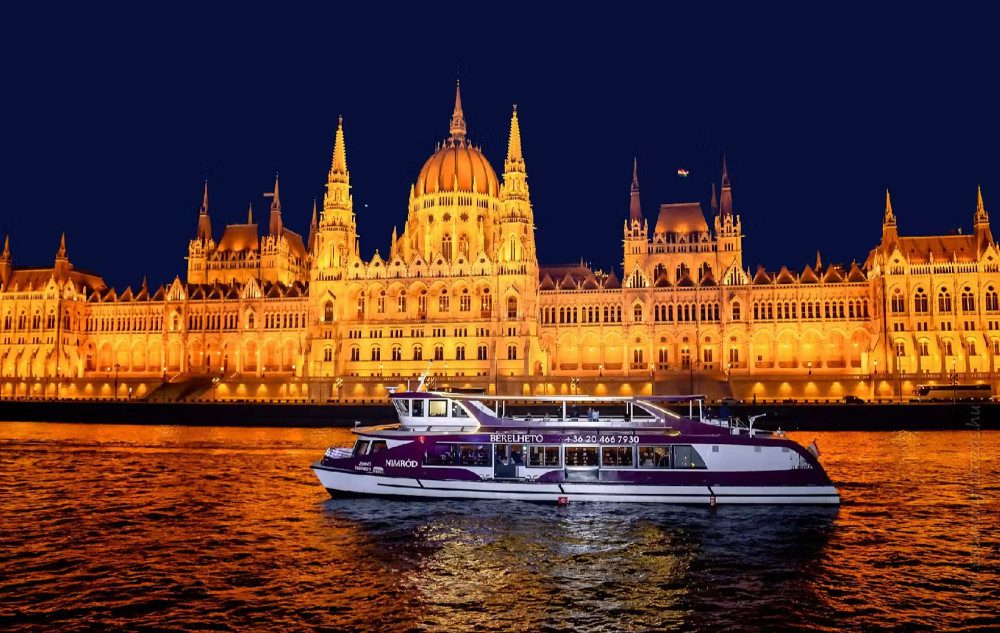
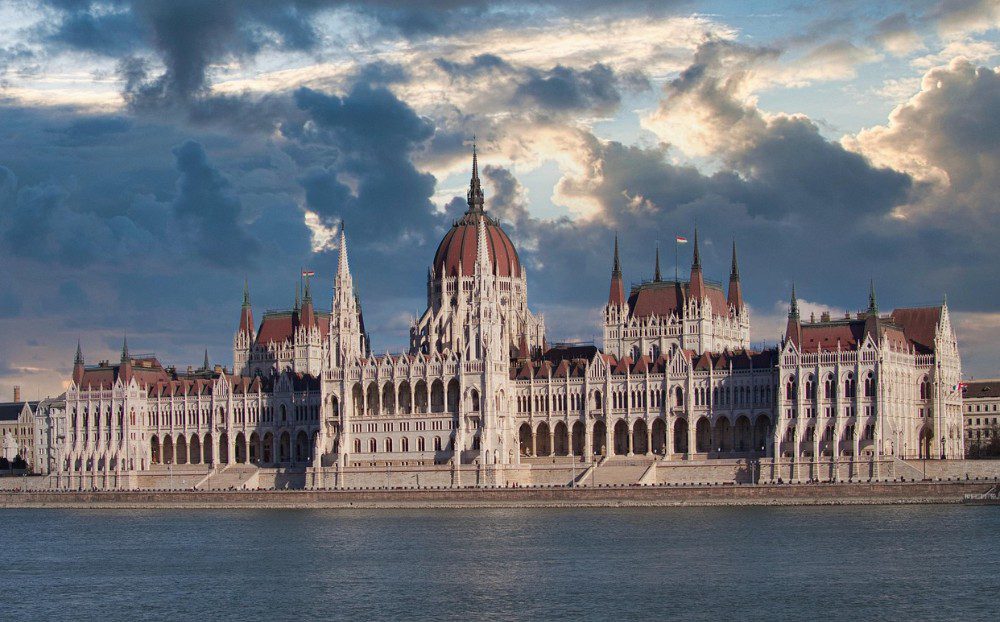
- Hungarian Parliament: one of the largest parliament buildings in the world and the city’s most iconic image, especially seen from the river at sunset.
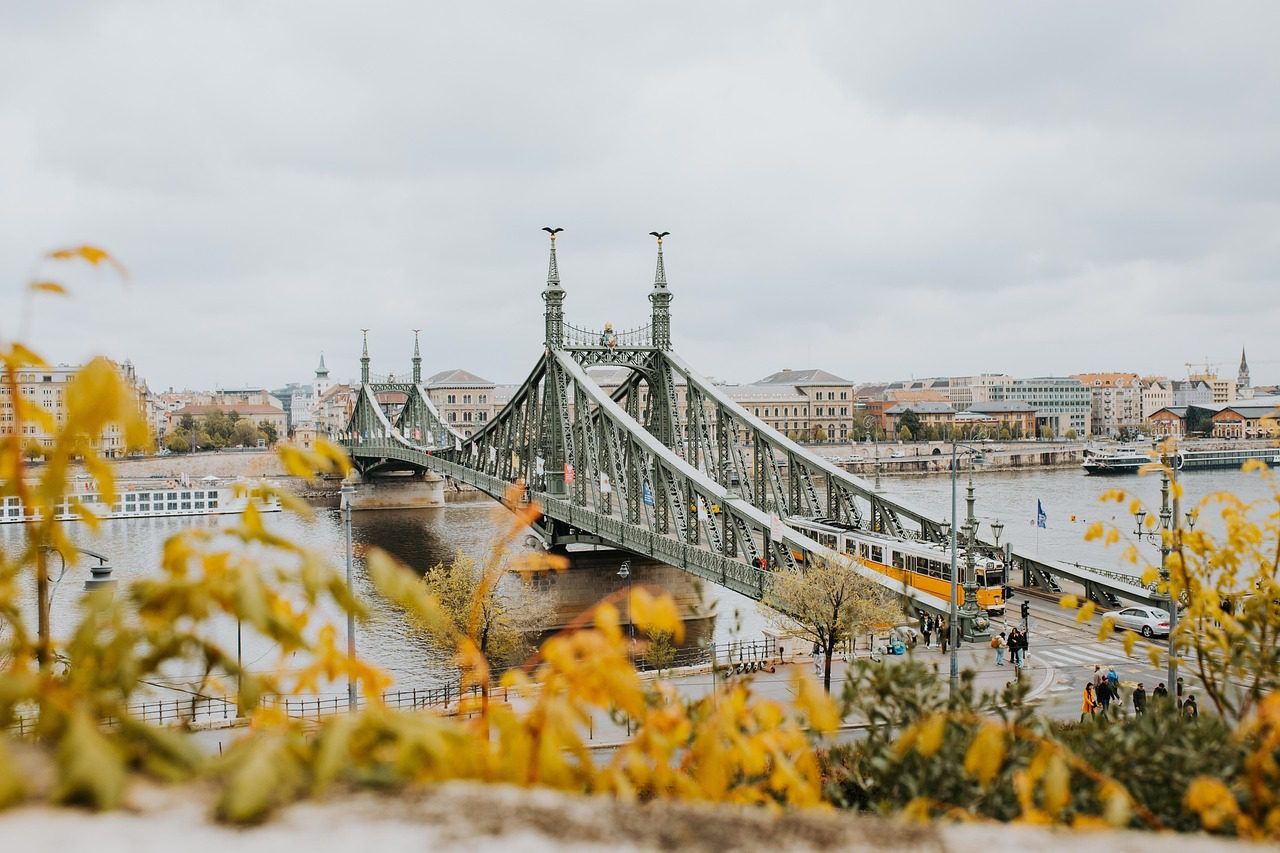
- Chain Bridge (Széchenyi): the first permanent bridge between Buda and Pest, built in the 19th century, and still one of the city’s most photographed landmarks.
- Buda Castle: a historic complex on Buda hill that includes the Royal Palace and offers some of the best panoramic views of the Danube and Parliament.
- Fisherman’s Bastion: a Neo-Gothic terrace with cone-shaped turrets, built in the early 20th century, with spectacular views over Pest.
- Thermal baths: Budapest sits on more than 100 hot springs. The Neo-Baroque Széchenyi Baths, with their outdoor pools, are the most famous and a must.
- Jewish Quarter and ruin bars: the old Jewish ghetto, now the trendiest part of the city, with bars set up in quirkily decorated derelict buildings, like the famous Szimpla Kert.
Once you’re in Budapest, a Danube boat trip is one of the best ways to see Parliament and Buda Castle lit up at night. Check out the options in our guide to Budapest river cruises.
Prague vs. Budapest: what to expect
Coming from Prague, you’ll notice that Budapest is a bigger, more monumental city, with a much wider river and spectacular lighting at night. Where Prague is best enjoyed wandering narrow lanes, Budapest is best enjoyed from its broad avenues and, above all, from the water.
Practical tips
- Hungary uses the forint (HUF), not the euro. Keep the exchange rate in mind, as prices often look much higher than you’d expect (thousands of forints for everyday items).
- Bring a swimsuit and flip-flops if you plan to visit the thermal baths, although you can rent towels and a few other items there.
- The train ride is long; booking ahead usually gets you better prices and guarantees a seat.
Our advice
Budapest deserves real time, not a rushed visit. If you’re still planning your time in Prague before heading to Hungary, see our Prague itinerary for 2, 3 or 4 days and join one of our free walking tours before you continue your trip.